Everything on theoutside of the building
6 services, residential and commercial, done by our own crews. Scroll to the one you need — or call and describe what you are seeing.
Roof Repair & Replacement
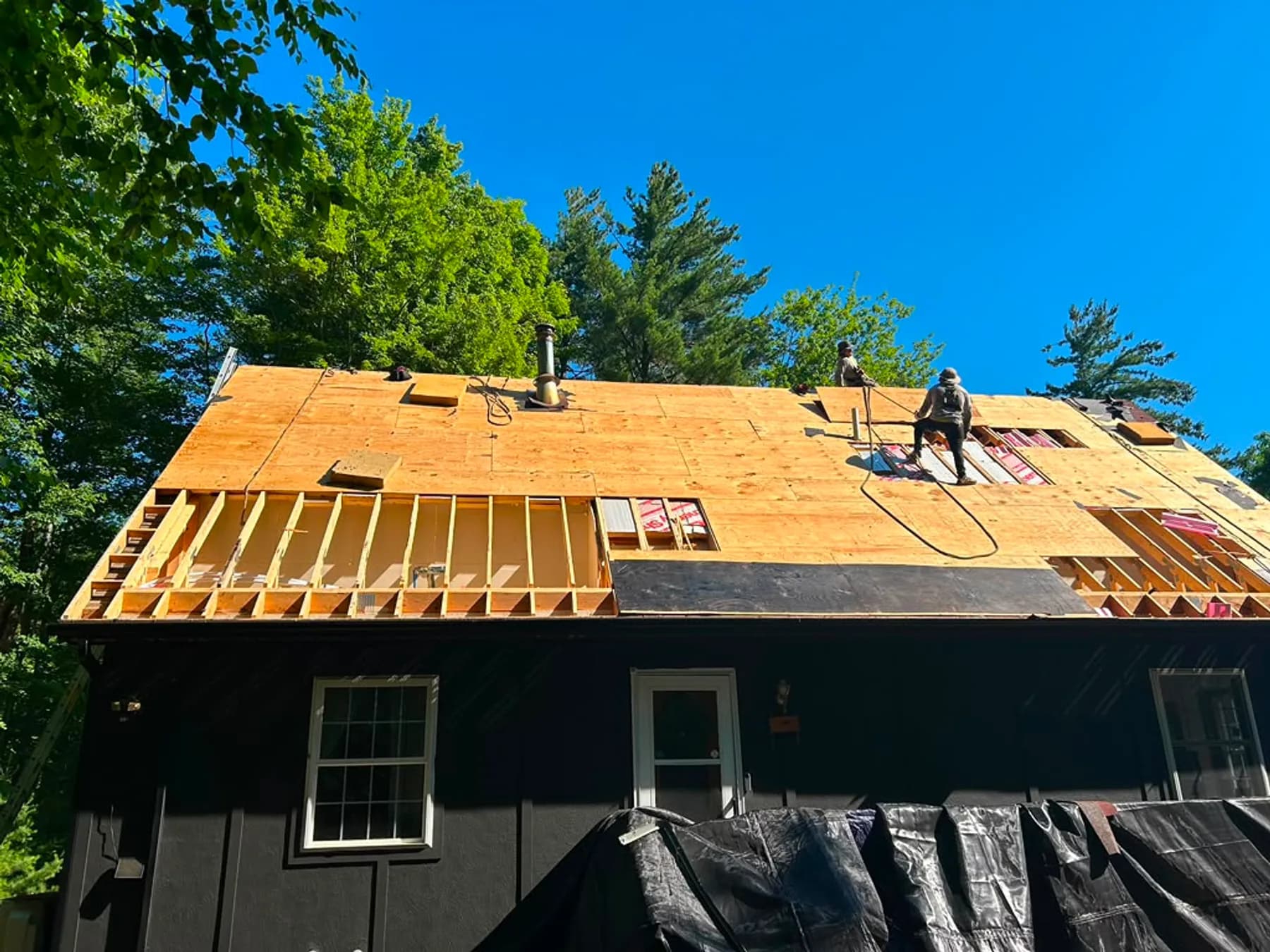
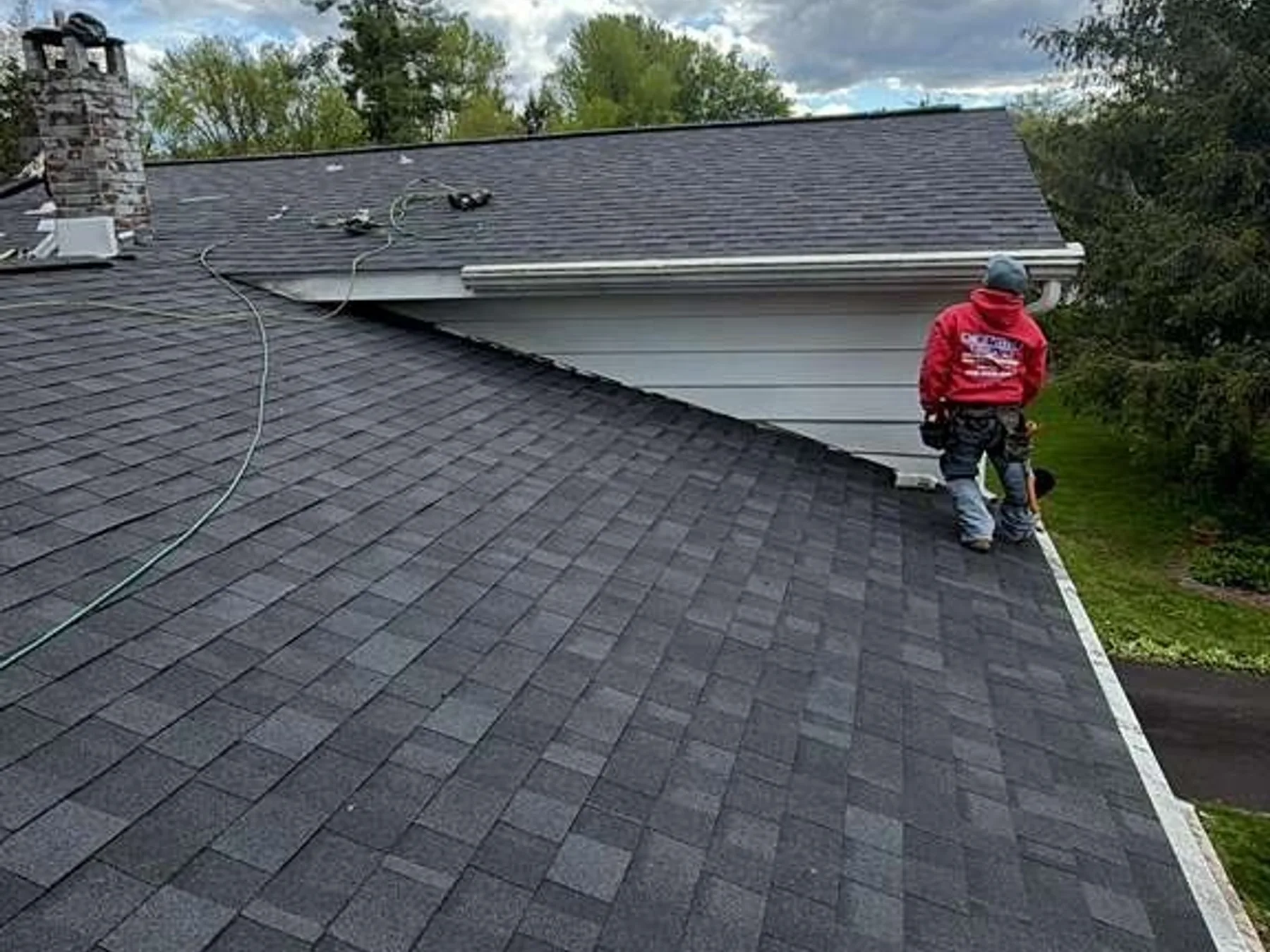
Most roofs in the Capital Region do not fail at the shingles. They fail at the flashing, in the valleys, and around anything that penetrates the deck — chimneys, vents, skylights. That is why we get on the roof before quoting anything: a leak above a kitchen ceiling is often nowhere near the kitchen.
When a roof genuinely is at the end of its life, a replacement means a full tear-off, an inspection of the decking underneath, and a system installed the way the manufacturer specifies. Layering new shingles over old is cheaper on the day and hides whatever the deck is doing.
What the job includes
- Full tear-off down to the decking
- Deck inspection and repair where it is needed
- Underlayment and ice-and-water barrier
- Valley, chimney and vent flashing
- Ridge ventilation
- Daily magnet sweep and site cleanup
Signs you need this
- Water stains on a ceiling after heavy rain
- Shingle granules collecting in the gutters
- Shingles curled, cracked or missing after a storm
- Daylight visible through the attic boards
- The roof is 20+ years old and has never been inspected
Flat Roof Systems
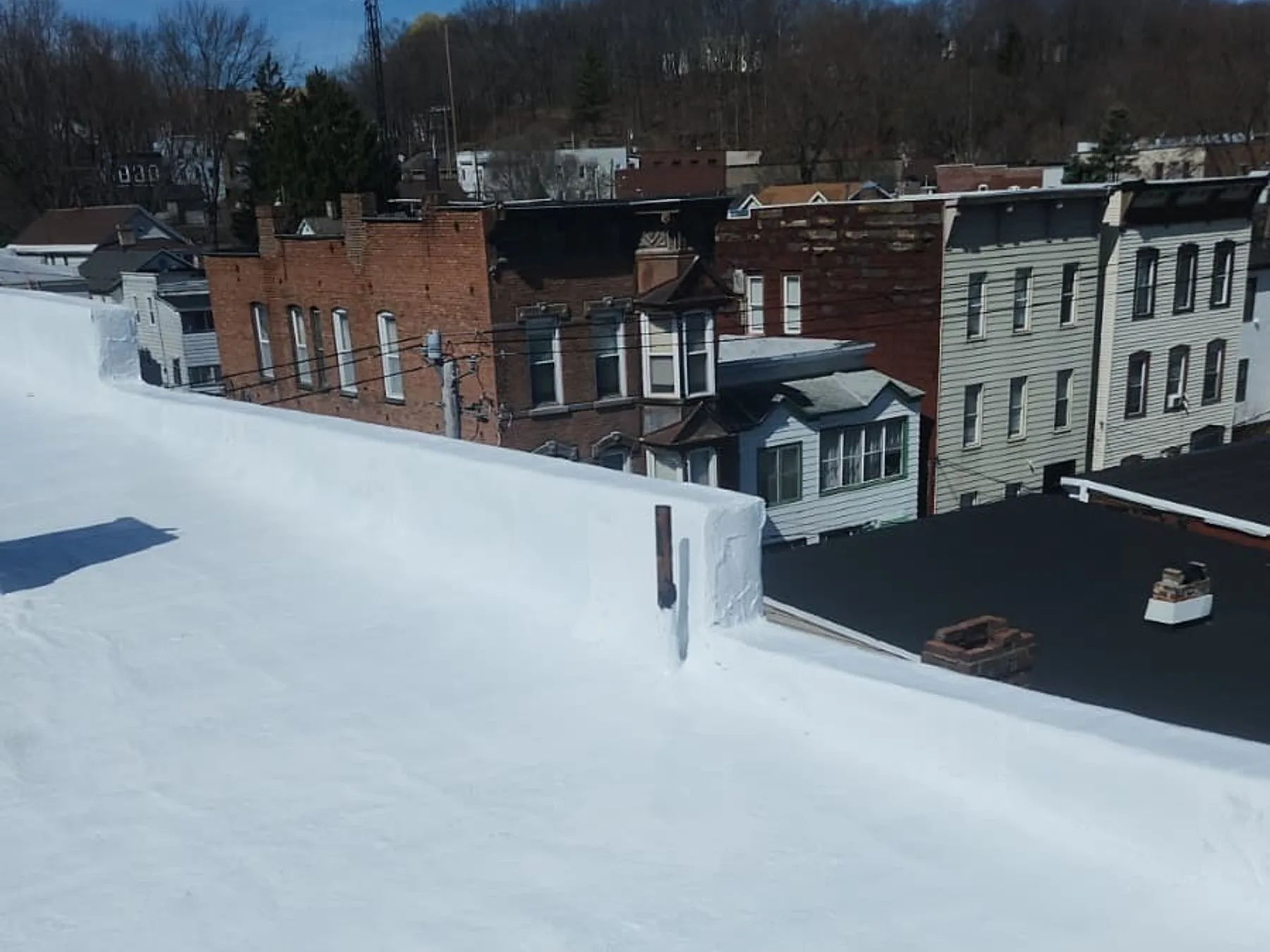
A flat roof is not actually flat — it is a low-slope roof that has to move water somewhere. When it stops doing that, water sits, and standing water finds every seam it can. A roof that has been patched three times is usually telling you the membrane itself is done.
We install and repair TPO, EPDM and modified bitumen systems. Which one is right depends on the building, the deck below it and what is going on the roof afterwards — not on which one we happen to have on the truck.
What the job includes
- TPO, EPDM or modified bitumen membrane
- Tear-off or recover, depending on what the deck can take
- Seam welding and detail work at every penetration
- Drainage correction where water is ponding
- Flashing at parapets and curbs
- Recoating and maintenance on systems still worth keeping
Signs you need this
- Water still sitting on the roof two days after rain
- Seams lifting, blistering or splitting
- The same spot has been patched more than once
- Interior ceiling tiles staining in a commercial space
- The membrane feels brittle or has gone chalky
Siding Installation & Repair
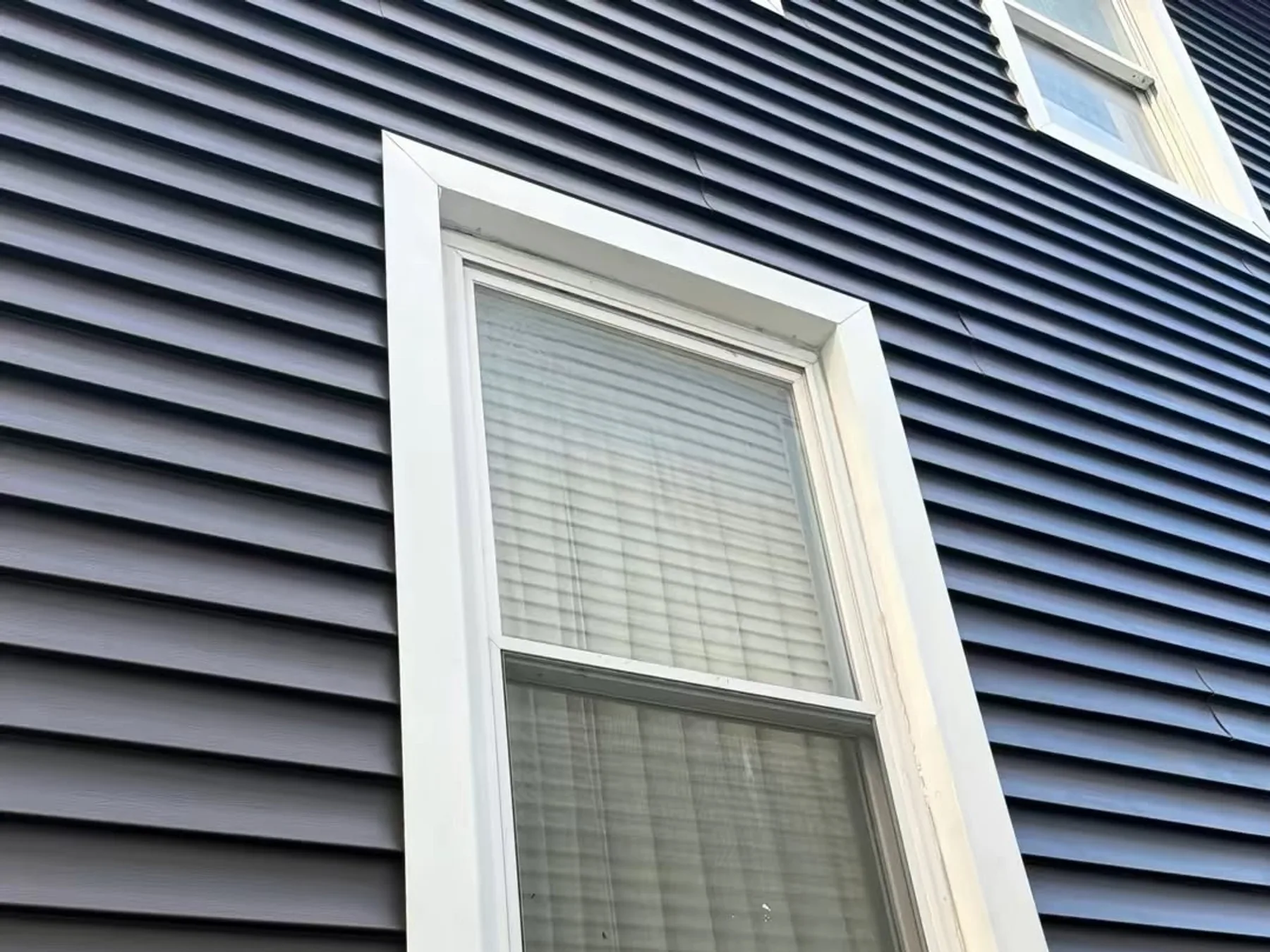
Siding is the part of the exterior people judge the house by and the part that quietly keeps water out of the wall cavity. When a panel cracks or pulls loose in a storm, the damage that matters is usually behind it, not on it.
We install vinyl and fiber cement. Vinyl is the workhorse — cheaper, lighter, and fine for most homes. Fiber cement costs more and holds up to impact and heat in a way vinyl does not. We will tell you which one your house actually needs.
What the job includes
- Vinyl or fiber cement panels
- House wrap and moisture barrier
- Trim, corners and J-channel detailing
- Window and door flashing
- Matching repairs on partial replacements
- Old material hauled away
Signs you need this
- Panels cracked, warped or hanging loose after a storm
- Soft spots or rot in the wall behind the siding
- Paint that will not hold on wood siding any more
- Heating bills climbing with no other explanation
- Hail dents across a whole elevation
Gutters & Gutter Guards
Gutters are the cheapest part of the exterior and the one that causes the most expensive damage when they fail. Water that overflows at the roofline ends up against the foundation, and in this climate it also ends up freezing there.
Seamless gutters are formed to the length of the run, so the only joints are at the corners and outlets — which is where sectional gutters leak first. Guards are worth it under trees and largely a waste of money without them; we will say which one you are.
What the job includes
- Seamless gutters formed to the run
- Correct pitch so water actually reaches the outlet
- Downspouts routed away from the foundation
- Hidden hangers rather than spikes
- Gutter guards where the tree cover justifies them
- Cleaning and repair on runs still worth keeping
Signs you need this
- Water sheeting over the edge during rain
- Gutters pulling away from the fascia
- Ice dams forming along the roofline in winter
- Water pooling against the foundation
- Plants growing out of the gutter
General Home Maintenance
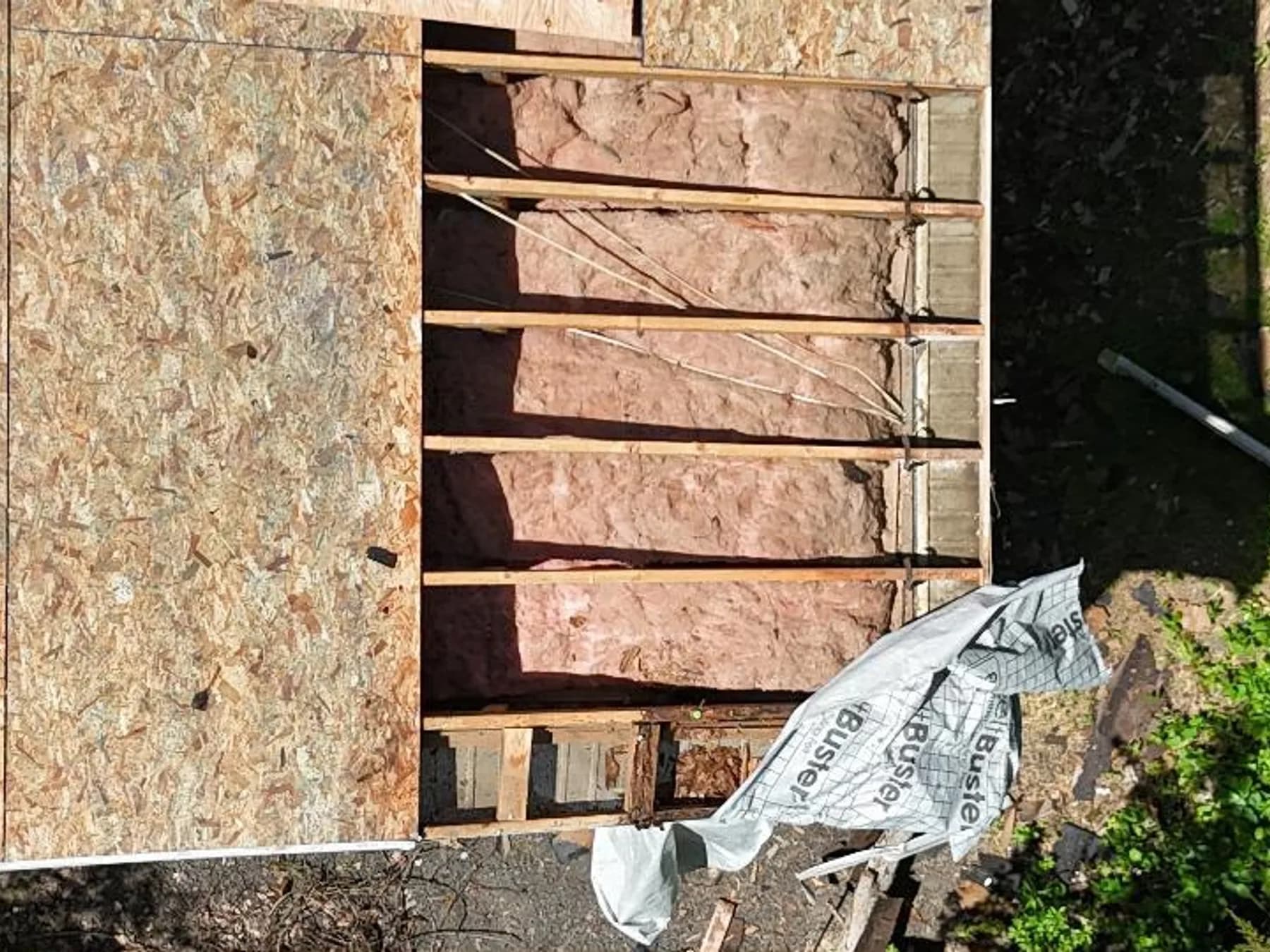
Almost every expensive roof we replace started as something small that nobody looked at. A lifted shingle, a cracked boot around a vent, a gutter that stopped draining — none of them urgent, all of them cheap to fix before a winter gets at them.
An inspection costs nothing and takes an afternoon. If the answer is that everything is fine and we will see you in two years, that is a perfectly good outcome.
What the job includes
- Seasonal roof and exterior inspection
- Flashing, boot and sealant repair
- Gutter clearing and re-pitching
- Loose or lifted shingle replacement
- Trim, fascia and soffit repair
- A written note of what to watch next season
Worth booking when
- It has been a few years since anyone was up there
- A hard winter or a big storm just passed through
- You are buying or selling the house
- Small things are starting to add up
- You want it checked before the warranty on a new roof matters
Insurance Claim Assistance
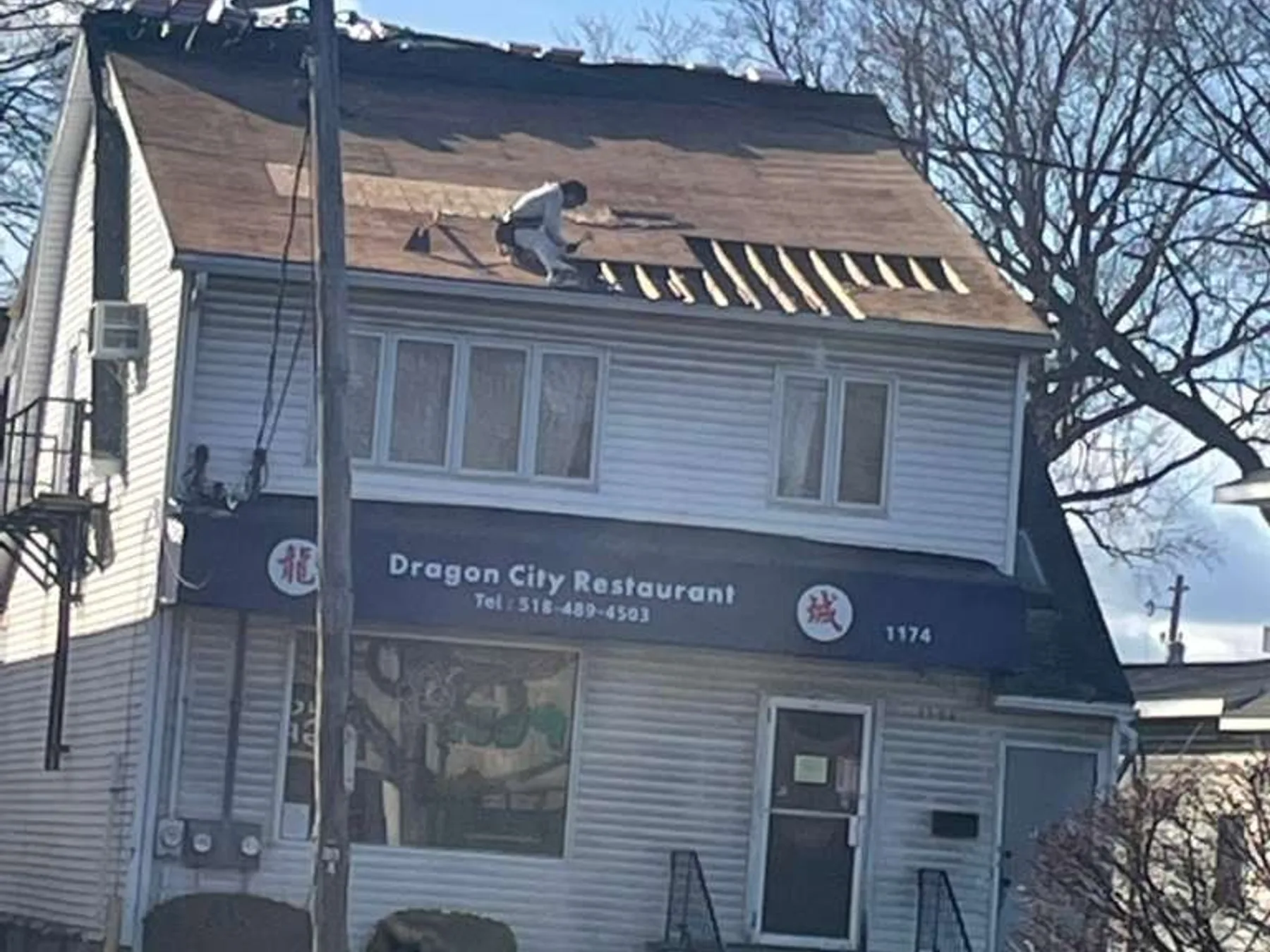
Insurance companies are not trying to overpay you. What decides whether a storm claim covers a patch or a full replacement is almost always how well the damage was documented on the first visit — and most homeowners are asked to do that documenting themselves, by a contractor who has already left.
We build the file: photographs, measurements and a written damage report in the form carriers expect. We file it, and we are on the roof with the adjuster walking the same damage. That includes the recoverable depreciation most people never claim because nobody explained it to them.
What the job includes
- Free storm damage inspection
- Photographic and written damage report
- Claim filed with your carrier
- Adjuster meeting on the roof, with us there
- Supplements when the first scope misses something
- Recoverable depreciation followed up to the final payment
Worth calling when
- Hail or high wind has been through your area
- A tree limb came down on the roof
- Your carrier approved less than the damage you can see
- The claim has stalled and nobody is telling you why
- You have been told to get an estimate and do not know where to start
What people ask before booking
If your question is not here, the inspection is free — ask it on the roof.
That is what the free inspection answers. A roof with localised damage and life left in the shingles gets repaired. A roof losing granules across every slope is telling you something else. We would rather do the repair and see you again in a few years than sell you a replacement you did not need.
Most residential roofs are a one to two day job once the crew is on site, weather permitting. Materials are delivered before the crew arrives so a tear-off never sits open waiting on a truck.
They are three ways to waterproof a low-slope roof. EPDM is a rubber membrane, durable and forgiving on complex roofs. TPO is a welded thermoplastic sheet that reflects heat. Modified bitumen is an asphalt-based system that holds up well to foot traffic. Which one suits your building depends on the deck, the slope and what goes on the roof afterwards.
Yes. Sloped shingle roofs on homes and flat membrane systems on commercial buildings, plus siding and gutters on both.
If the damage came from a storm, often yes — and how well it is documented usually decides how much. We inspect, photograph, write the report, file with your carrier and meet the adjuster on the roof with you.
No. Inspections and written estimates are free, whether or not you hire us, and the estimate is itemised so you can see what every line is for.
Get on the roof beforethe next storm does
Free inspection, a written estimate you can hold us to, and a straight answer about whether this is a repair or a claim.
Free estimates · Same-day service available